Hello everyone!
I hope you’re all doing well. Apologies for my absence – as I’m sure you can appreciate, sometimes PhD research can be a little hectic! I’ve been running around various archives trying to make up for lost time, but luckily everything is slowly coming together.
Today, I want to talk about one skill that is fundamental for any budding historian: source analysis. If you are studying history at any level, you will be asked to analyse sources; these can be from the time period, or modern interpretations of your topic. In order to understand the history and historiography of a period, you need to be able to effectively investigate the sources you are using.
Now, this can be done simply by considering the “who”, “what”, “where”, “when”, “why” and “how” of a topic, but I prefer to use a style one of my lecturers taught me during my second year of undergraduate: the 6Cs.
So, what are the 6Cs? They are 6 prompts of aspects of a source for you to look at. In order, I would look at a source by understanding the following:
Content: Main idea (describe in detail what you see).
Citation: Author/creator (when was this created?).
Context: What is going on in the world, the country, the region, or the locality when this was created?
Connections: Prior knowledge (Link the source to other things that you already know or have learned about).
Communication: Point of view/bias (Is this source reliable?). Make general points then directly quote – are they conforming to general patterns?
Conclusions: How does the primary source contribute to our understanding of history?
I hope you find this useful! Let me know your best advice for analysing a source – do you have a different method?
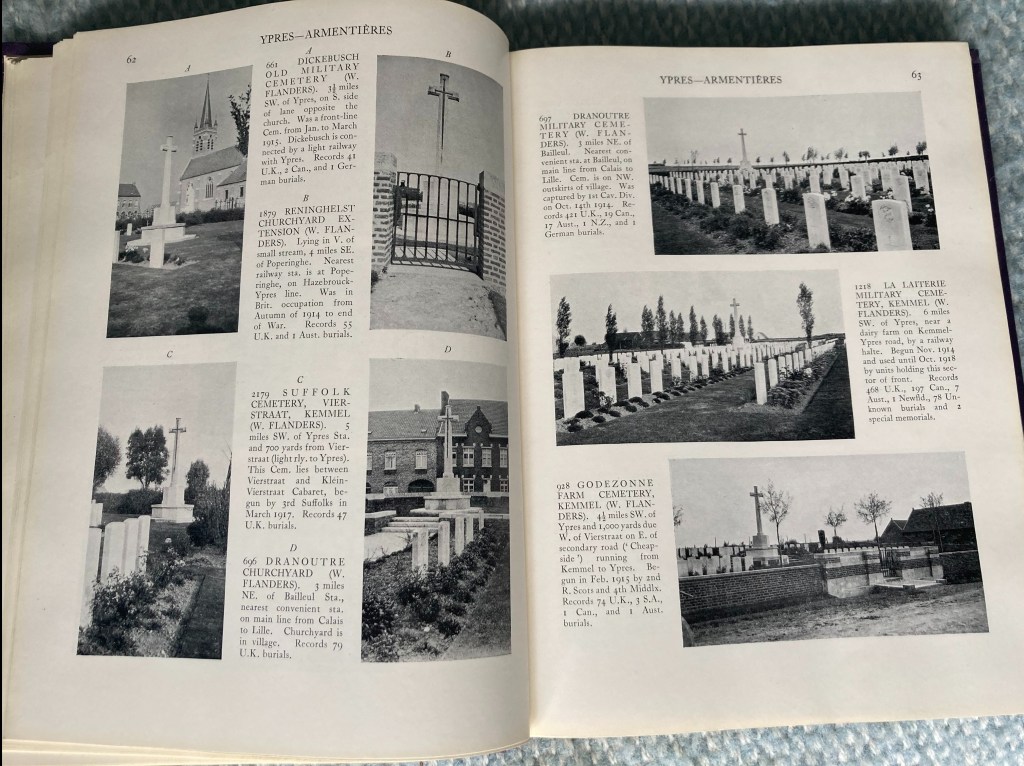
Image Credit: Photograph from The Silent Cities by Sidney Hurst (New York Edition). Photograph taken by: M.E. Kelleher
 Dr Megan Wang (née Kelleher)
Leave a comment