Hi Everyone, and welcome back to my blog! As the new academic year is starting, I thought I’d share my top five tips for preparing to study history.
1. Read around your subject.
While you may be aware of the specific area you are interested in (it is also ok if you don’t know!) reading around your subject is so important. By getting the context of what is happening before, during and after the time period you’ll be studying, you’ll be able to fully understand causes for certain events. Reading doesn’t have to be solely looking at academic books or journal articles – you can listen to podcasts, or watch historical documentaries!
2. Get organised!
When you are having to read a lot of things to prepare for lessons, it is so easy to get overwhelmed and not store things in a logical way. Create some folders (either physical, digital or both!) that make sense for you. This could include “Reading”, “Assignments” and “Notes” folders. By doing this, you can easily place your work into the right folder without thinking about it too much. Trust me, your future self will thank you!
3. Learn the referencing style.
Every place has a different referencing style that they want their students to use, and it’s important you follow this. Marks can be deducted if you do not follow a set referencing style, or if you aren’t consistent in this. Speak to your teachers or lecturers to see if they have a referencing guide for you, and save it so you have it there as something to check when you are writing your assignments.
4. Plan your time.
When you get your assignment list, start looking at planning your time. This will mean that you don’t have those last-minute stresses, and know when you have a bit more free time to relax!
5. Take time for yourself!
This might sound contradictory to my last point, but include planning time in for yourself. It is so easy to forget to include downtime in a busy schedule, so make sure you don’t forget to do this especially at busy times. That doesn’t mean procrastinating, but it is giving yourself the breaks that you need so that when you are working you can produce some of your best work!
These are just my personal tips for preparing to study history, and I hope you find them helpful! Let me know if you think I’ve missed anything 🙂
Finally, I wanted to wish you the best of luck in whatever level of history you are studying – I know I am biased, but history is such a fantastic subject to become an expert in and I know you’ll have an amazing time researching all of the different topics you’re looking at!
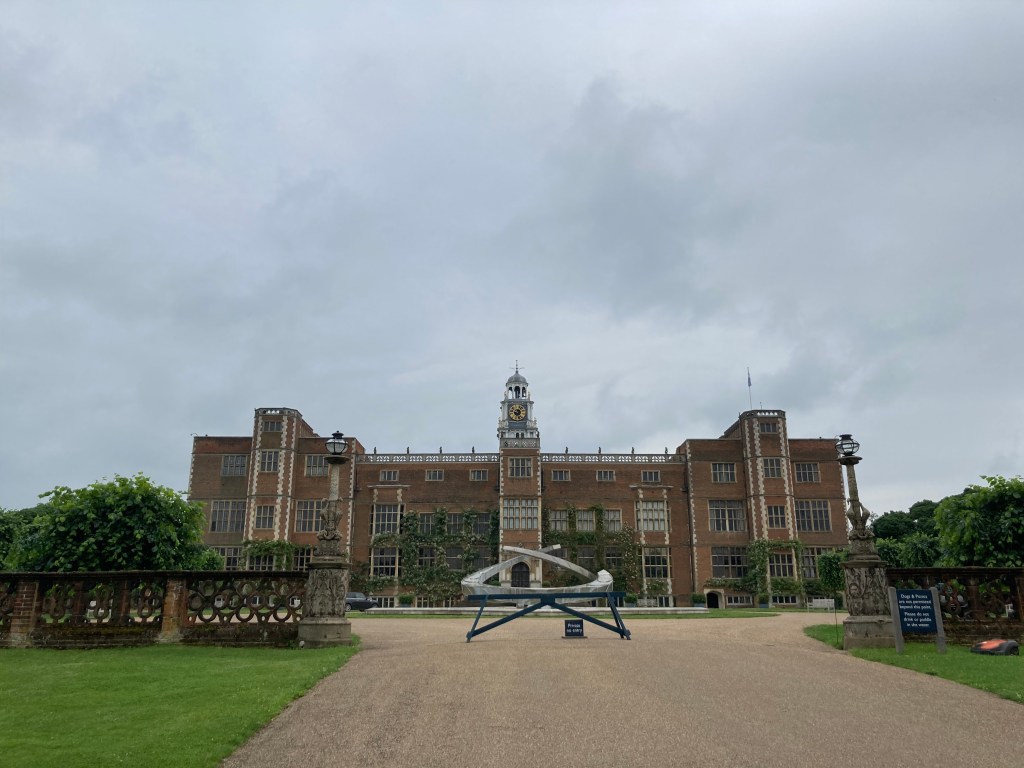
Image Credit: Hatfield House in Hertfordshire, United Kingdom by ME Kelleher. This is one of the archives I’ve visited for my PhD.
 Dr Megan Wang (née Kelleher)
Leave a comment