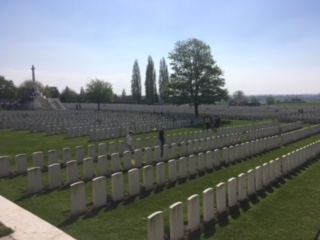
I thought I would post this on the centenary of the Armistice Day in order to appropriately mark the occasion and the sacrifices the brave men and women have made for our freedom. On occasions as important as this, we often begin to reflect on our own experiences and the centenary in general.
If you are interested in this area of history, you will know that there is a lot of debate among historians, battlefield guides and people in general who have an interest in the centenary about whether the centenary was marked appropriately or not and what the focus will be over the next 100 years. Once again, I cannot reflect the views of the majority, but I thought I would put in my two-pennies’ worth into the debate. I should emphasise at this point that these views are my own and that they were made while taking into consideration the views of others. I am not disregarding certain opinions, merely stating what I believe at this moment in time.
Family
I know I have mentioned this on multiple occasions now, but family and personal connections to individuals commemorated is a vital component of remembrance and the Armistice commemorations. It cannot be stressed enough that war and conflict touch the lives of many on a daily basis even today, and people continue to lose loved ones due to them. It would be incredibly insensitive not to remember the individuals who fight for our freedom; remember, while you may not agree with the politics surrounding the complex reasons for war, service personnel are still people who mean something to someone.
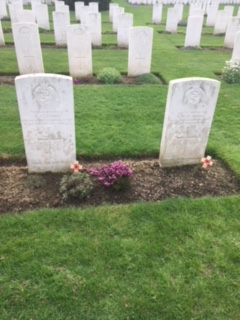
Sacrifice
This word is synonymous with remembrance and, in my view, sums it up perfectly. People make sacrifices daily in order to better the lives of others and they should be remembered for these acts of heroism.
In Perpetuity
We all hope that we have freedom forever, and many of the individuals you will visit laid down their lives in order to ensure our freedom was not taken away from us. As such, I think it is only fitting that they are remembered in some way in perpetuity and are treated with respect and dignity.
Indiscriminate
One of the key principles of the Commonwealth War Graves Commission (CWGC) is to ensure that everyone who lost their lives as a result of the First or Second World War is commemorated by name regardless of race, civil or military rank and religion and I think this policy is paramount when thinking of remembrance. Regardless of social and political attitudes, everyone should be remembered for the sacrifices they made as a result of fighting in conflicts. An individual’s personal beliefs do not matter, they served their country and so should be remembered.
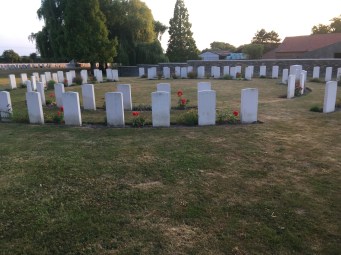
So, at this point it is a good moment to reflect on the big question: What now? I think the quote chosen by Rudyard Kipling to be placed on special memorials sums up my views of this situation perfectly – ‘Their glory should be blotted out’. We cannot forget the past and the stories of these individuals even though time has passed, nor should we. Even though we may not have as direct a link to them as previous generations did, it is our duty to ensure that their sacrifice is not ignored or forgotten but is instead remembered with the dignity and respect that they deserve. Remembrance is a daily and personal occurrence, so cannot and will not end on 11th November 2018.
 Dr Megan Wang (née Kelleher)
Leave a comment